
Dry
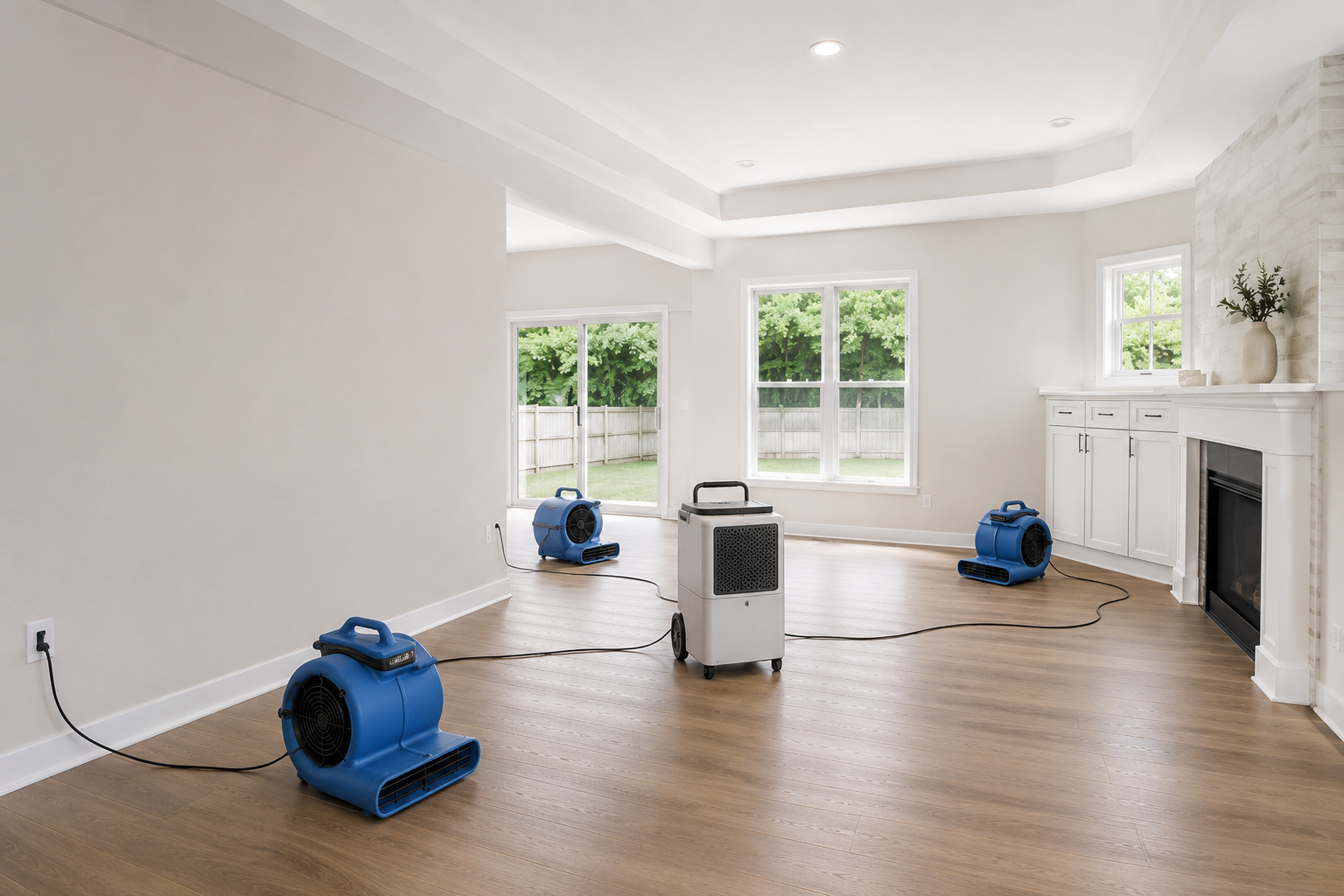
Water Extraction and Dry-Out
Water removal, drying setup, and follow-through after the obvious water is gone.
- Standing water extraction
- Wall and floor moisture checks
- Dry-out monitoring before the next step
Simple next steps for indoor water issues: remove standing water, set up drying, flag moisture concerns, and keep documentation organized if records are needed later.
Use the direct call button for active leaks, standing water, or dry-out questions. Use the request form if you cannot call right now.
The practical order is simple: remove standing water, start drying and airflow, check where moisture may keep moving, then decide what cleanup or documentation needs to happen next.
Use the direct call button for active leaks, flooding, or wet-floor concerns. Use the request form if the issue is not urgent or you cannot call right now.
Call or email to discuss current availability and next steps.
The first service group is kept tighter here: three primary situations up front, two secondary follow-through needs below, and one grounded support visual instead of another generic equal-card row.
Water removal, drying setup, and follow-through after the obvious water is gone.
Lower-level cleanup and moisture-focused dry-out after leaks, seepage, or backup events.
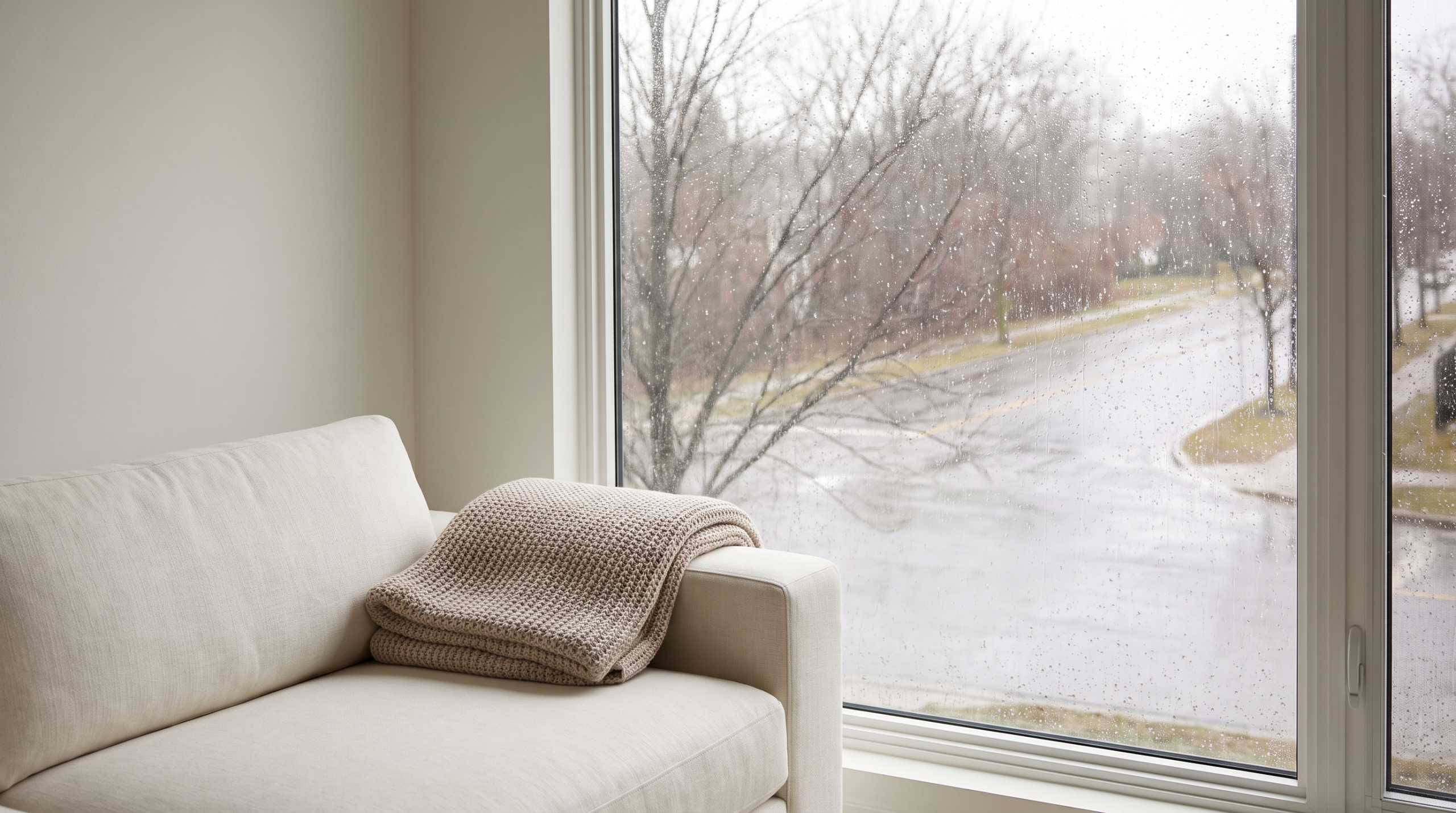
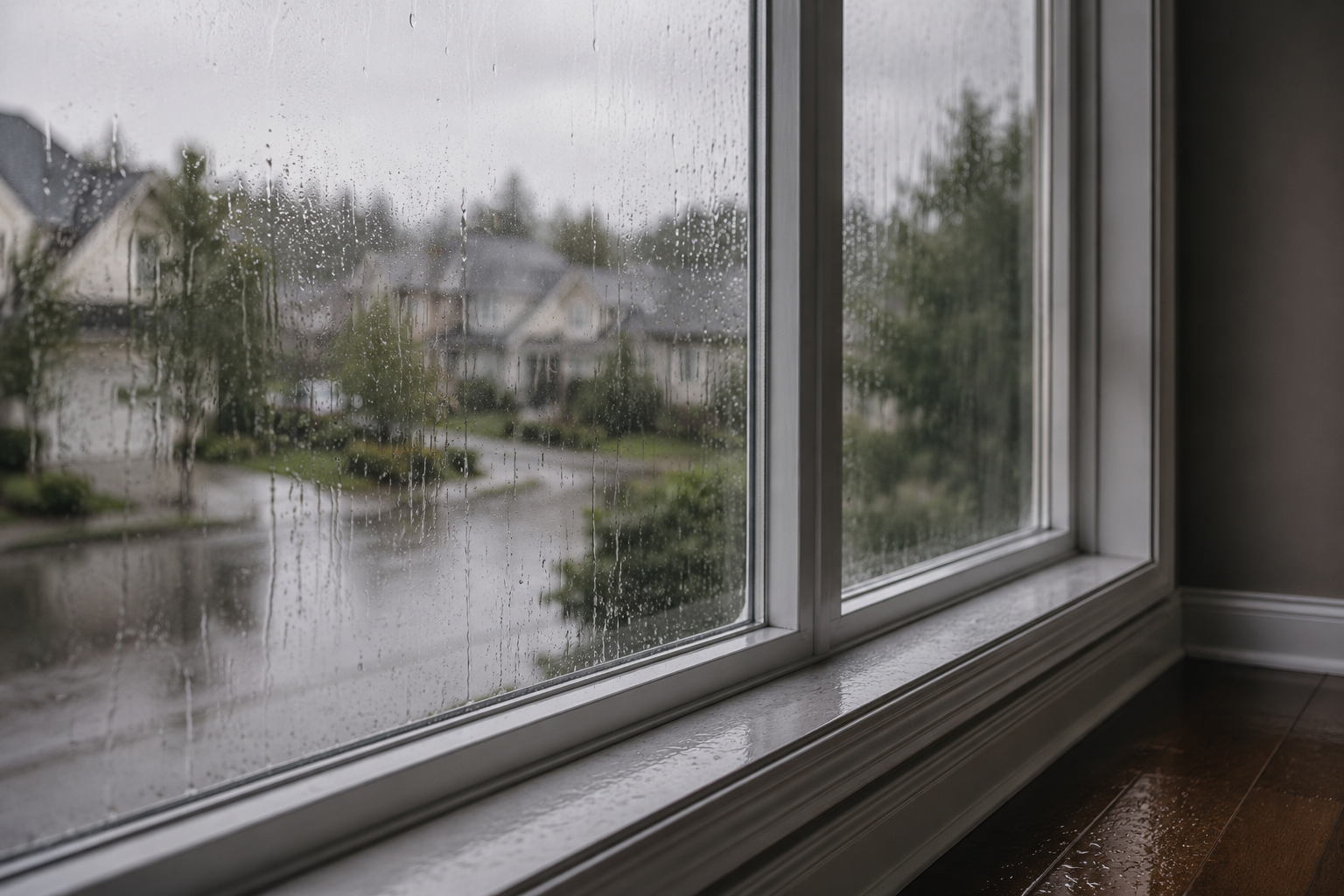
Storm-related indoor water cleanup and next-step drying work after rain-driven intrusion.
Practical next-step language when lingering moisture raises mold questions later.
Careful cleanup, drying, and safe next-step guidance after contaminated-water events.
Call to talk through water removal, drying, and what should be documented next. Use the request path when you need a quieter follow-up instead of an immediate phone call.
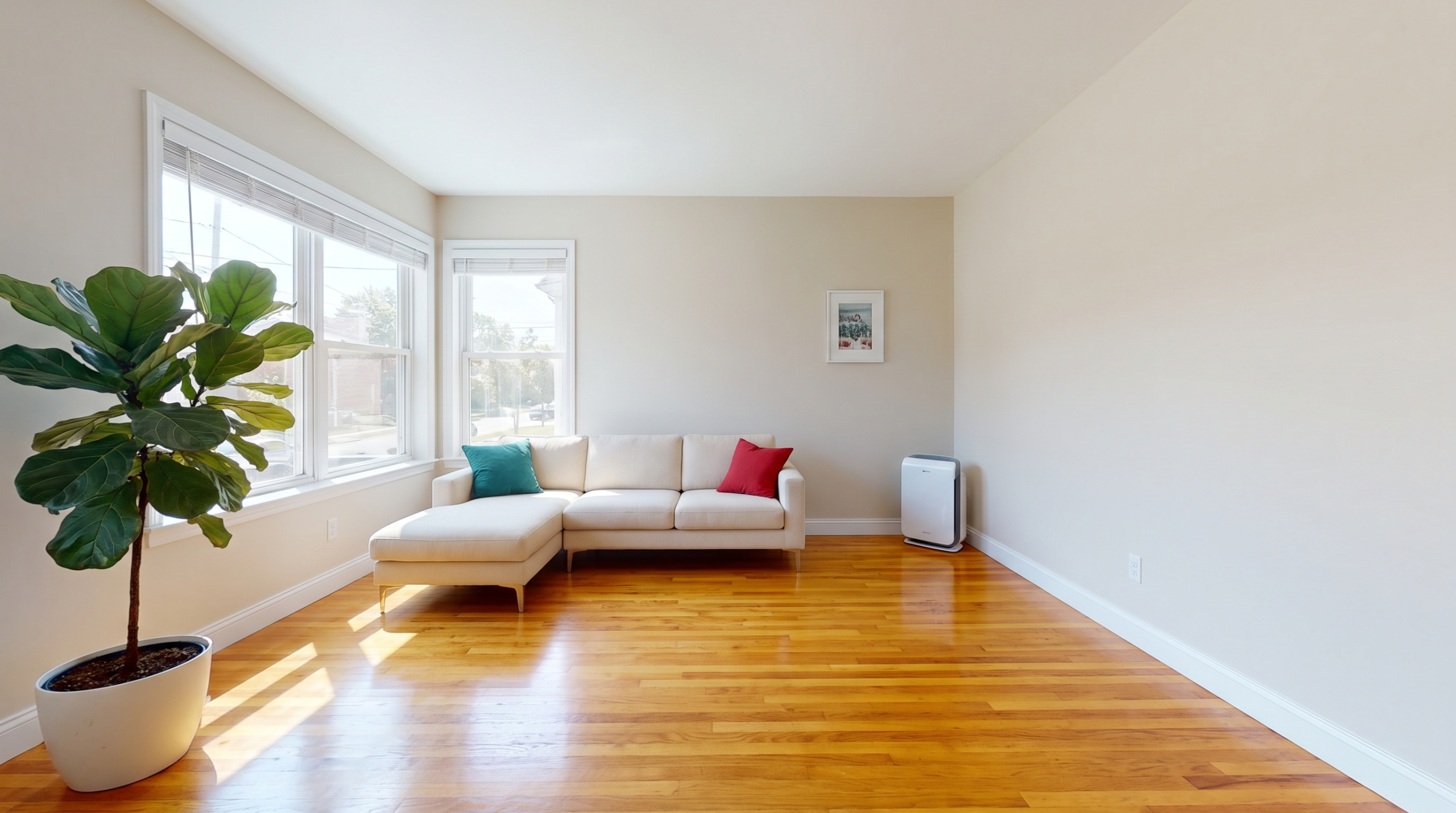
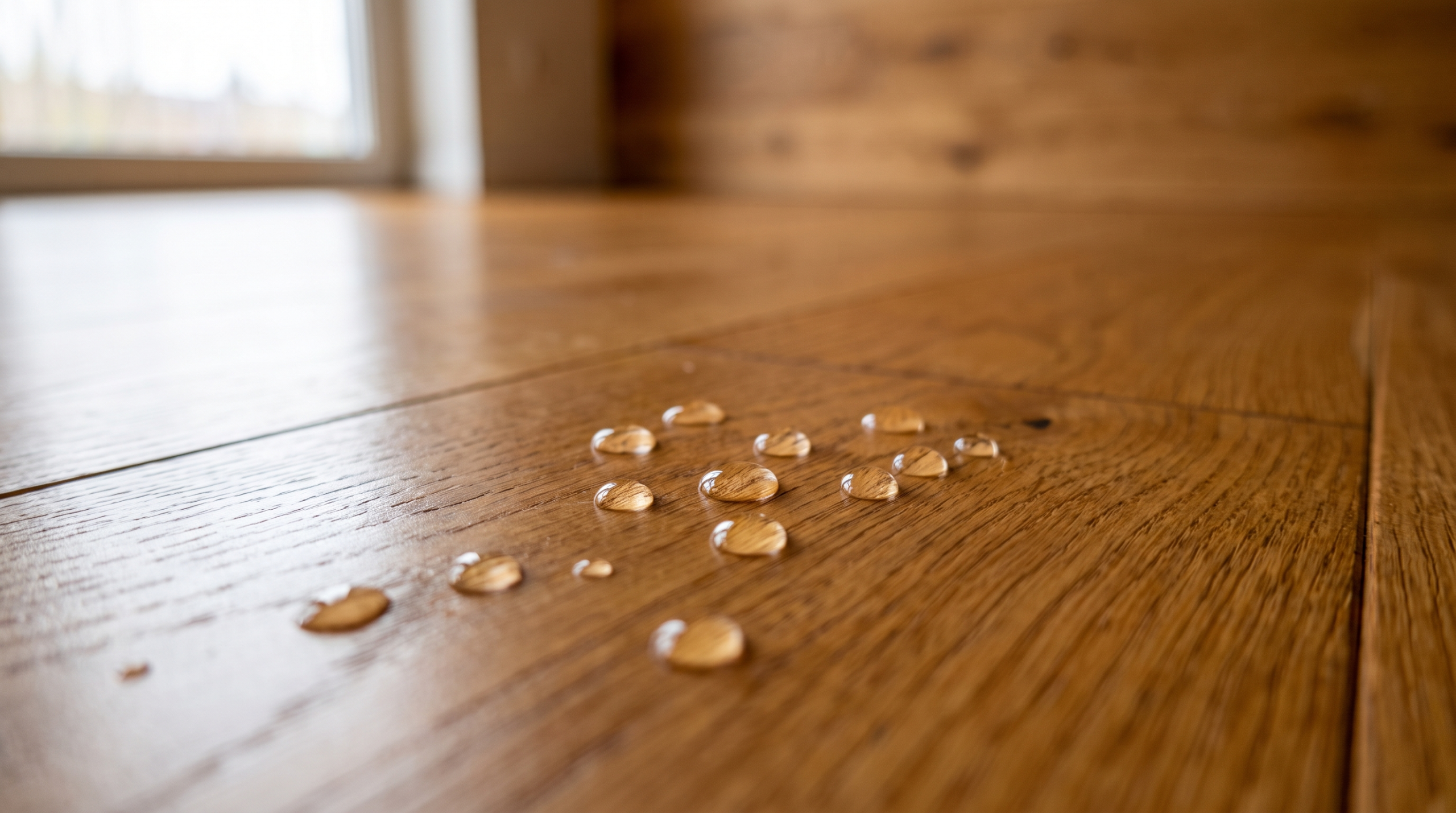
Used as a general support visual for water damage cleanup guidance, not as job-site proof or before-and-after documentation.
These are the practical reasons people reach out early, before moisture spreads into flooring, drywall, and stored belongings.
A clear plan to remove the water and dry the affected areas — floors, walls, and belongings.
A straightforward walkthrough of what needs attention first and what happens next.
Moisture and hidden-damage concerns explained in plain language, with no pressure or guarantees.
Photos and notes to support your records when documentation may be needed later.
Call or send a request and tell us what happened and where the water is.
We talk through the source of the water, the affected areas, and the first practical step.
Water is removed, moisture is checked, and drying is set up for the affected materials.
Cleanup and next-step planning once the urgent water problem is handled.
We help homeowners and property owners across Brooklyn Park and the nearby NW-metro communities.
Response availability varies. Call +1 763 235 4505 to check current availability.
Coverage depends on the policy and the cause of loss. Confirm the details directly with your insurance provider.
Shut off the water source if safe, avoid wet electrical areas, and move valuables off affected flooring when possible.
Yes. Basement water cleanup is one of our core services.
See the service-area section above. The nearby-city list is being confirmed.
Water removal and drying work best when they start early. Call +1 763 235 4505 or send a request and we will talk through the next step.
Tell us what happened and the best way to reach you. Prefer to talk now? Call +1 763 235 4505.
Water damage does not improve by waiting. Call +1 763 235 4505 or send a request and we will talk through the next step.
Service Restoration provides water damage cleanup across the Twin Cities metro and surrounding areas. Visit our other local service pages: